Not the kind you can eat, sadly. These ones keep you signed in securely, help us understand how Minikai is being used, and let us make it better. The strictly necessary ones are always on. Read our cookie policy.
Case studies, product thinking, and industry context, written for therapists, managers, and everyone closing the gap between clinical expertise and frontline care.
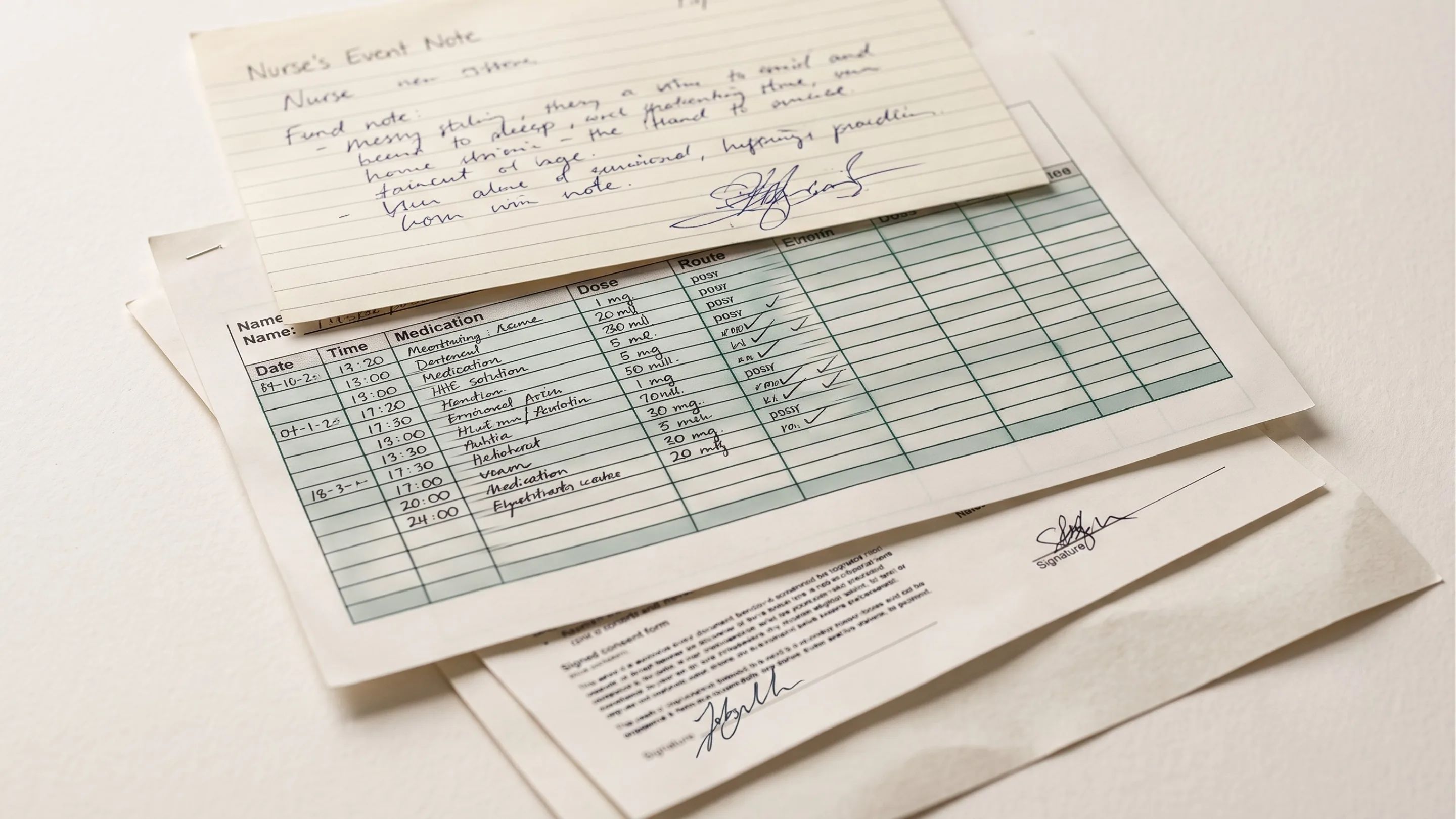
On clean printed text, old and new OCR are close. On the degraded scans, signed forms and dense tables a real care record is made of, legacy OCR collapses while modern vision-language models clear the bar. What I measured, what surprised me, and why the best model is not automatically the right one.
Read the article
EngineeringA difference-in-differences study of 286 event-driven notes from 14 nurses. Length and SBAR completeness improved significantly when nurses used Minikai to help write them, with specificity improving directionally.

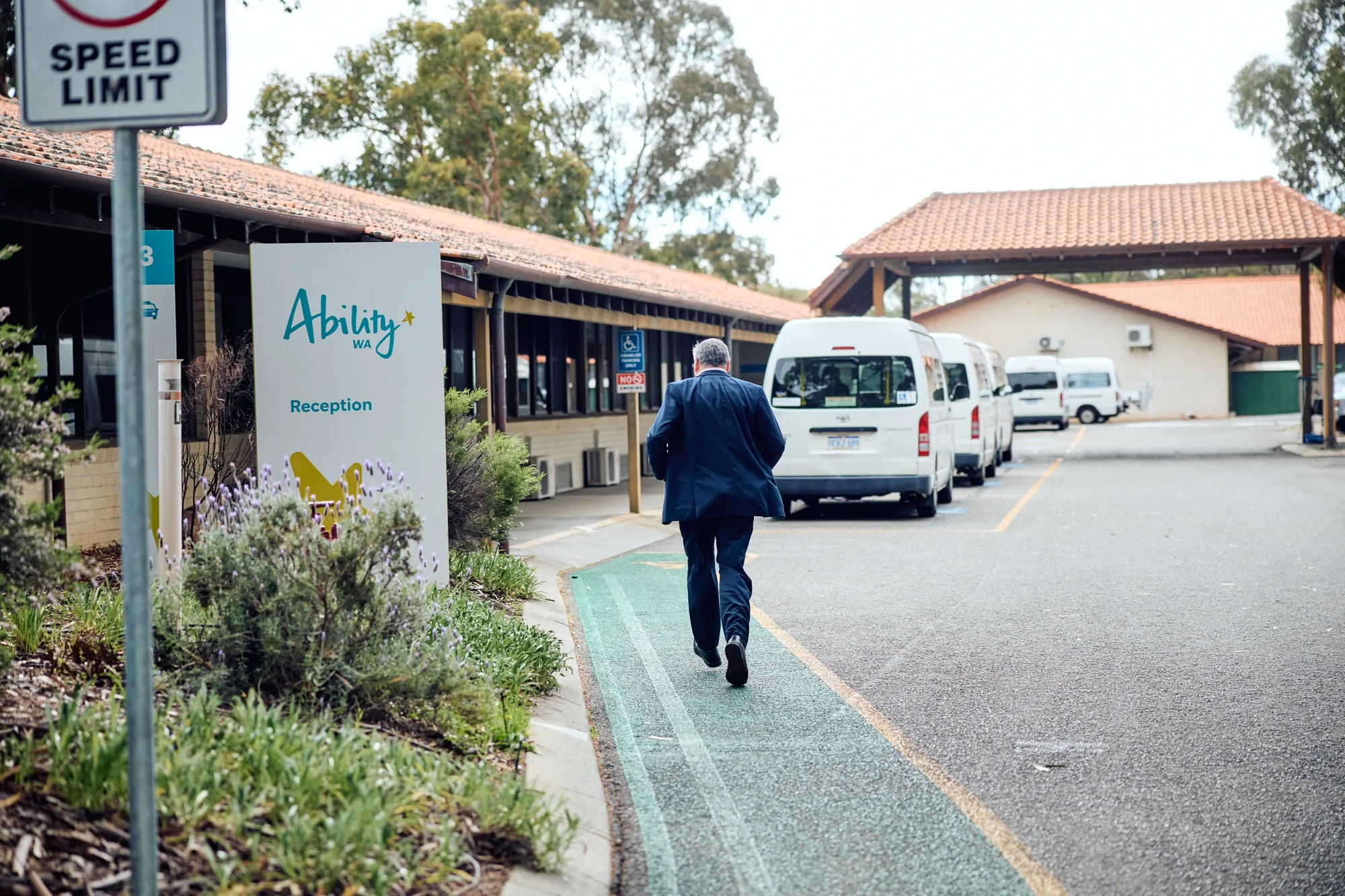
A written update on Ability WA, seven months on from the video walkthrough: therapists first, support workers next, weekly active users up around 40 percent, and what the team is building now.

Drawing on 6,224 AI interactions by 143 therapists using Minikai across multiple NDIS providers, this article looks at what they use AI for, how it informs their clinical work, where it saves them time, and what share of their workload AI assists with.

The shift from volume-based to outcome-based delivery is underway. What it means for how providers operate, how participants engage, and how support workers do their jobs.

I-CAN replaces FCA as the standard for NDIS support assessments. Independent assessors and a new evidence model mean providers will need to rethink documentation.

Flat price caps and rising costs are squeezing therapy providers. The organisations that are adapting are finding efficiency in unexpected places.

The organisations with the highest AI adoption rates don't just have good tools, they've structured AI into daily, weekly, and monthly workflows. Here's how to build those habits deliberately.

The overwhelming majority of care providers know that AI is going to reshape the sector, but they don't know what it means for their organisation, their workflows, or their people. A grounded look at how to start.

Most AI features in existing CMS tools are retrofits. They look like AI but behave like search. Here's why that matters, and what the alternative looks like.

The organisational trust layer is the part of an AI-native experience that procurement, security, legal and operations evaluate. When the design holds, deployments move. When it does not, the pilot stalls.